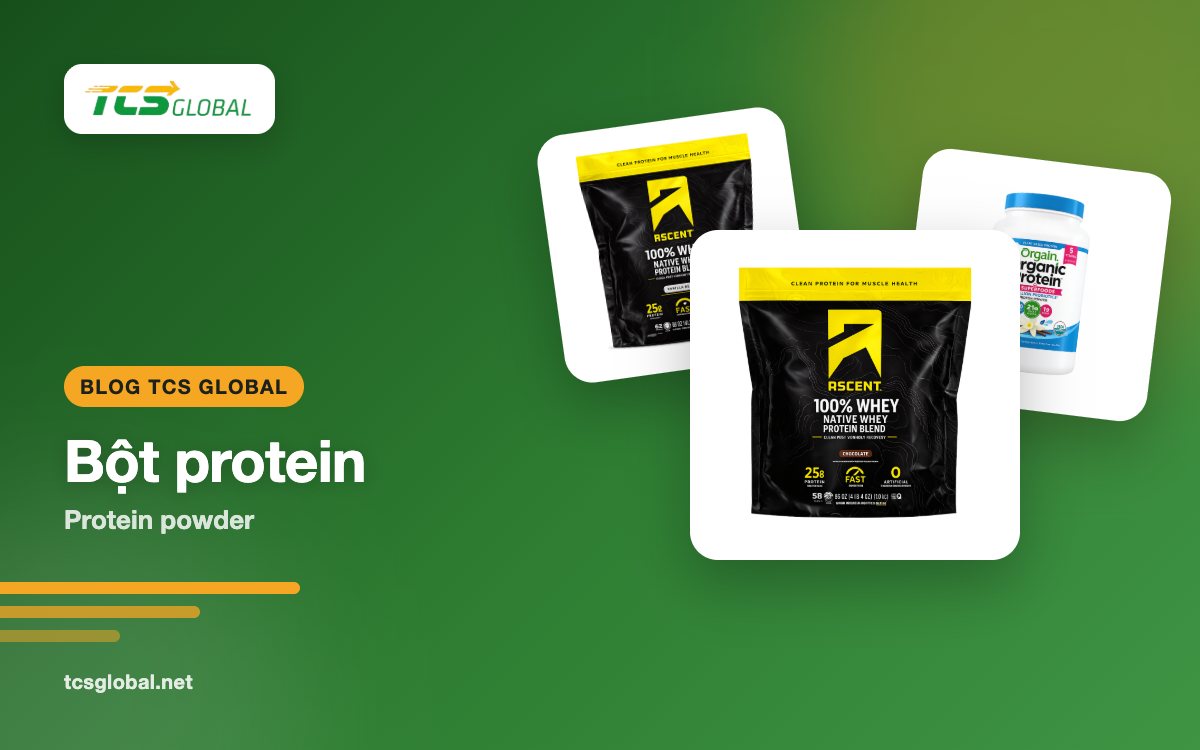
Choosing between US whey protein and a plant-based powder mostly comes down to two questions: do you do well with dairy, and what are you using it for? Whey is a milk protein; Ascent 100% Whey lists 25 g of protein per serving. Plant protein such as Orgain Organic Protein lists 21 g of organic plant-based protein plus fiber and probiotics. Creatine and collagen are different products altogether, and it helps not to confuse them with protein powder.
Whey vs plant protein in plain terms
Whey is one of the proteins found in milk, so it suits people who are fine with dairy. Plant protein comes from plant sources and is often considered by people who limit dairy, eat vegetarian, or prefer organic food. If you are strictly vegan, check the label for a vegan certification. Neither is "better" for everyone; it depends on your body, taste, diet and goals.
US whey: Ascent 100% Whey
Ascent describes this as native whey, its least processed whey protein. Per serving, the label lists:
- 25 g of fast-digesting whey protein blend
- 5.7 g BCAAs, 12.1 g EAAs and 2.7 g leucine
- Zero artificial ingredients, certified gluten-free, rBST-free
It comes in 4.25 lb tubs: Ascent 100% Whey Chocolate and Ascent 100% Whey Vanilla Bean.
Organic plant protein: Orgain Organic Protein & Superfoods
Per serving, the label lists 21 g of organic plant-based protein, 50 organic superfoods and 1 billion probiotics. Orgain Vanilla Bean (2.7 lb) adds probiotics from 5 strains, 1 g sugar, 160 calories and 8 g fiber. Orgain Creamy Chocolate Fudge (2.64 lb) lists 9 g prebiotics plus fiber and is USDA Certified Organic. With the added fiber, it suits an all-in-one morning smoothie; some people blend in fruit or Monda organic chia seeds.
Side-by-side comparison
| Ascent 100% Whey | Orgain Organic Protein | |
|---|---|---|
| Protein source | Whey from milk (native whey) | Organic plant protein |
| Protein per serving (label) | 25 g | 21 g |
| Other label facts | 5.7 g BCAAs, 12.1 g EAAs, 2.7 g leucine; gluten-free, rBST-free | 50 organic superfoods, 1 billion probiotics, 8–9 g fiber by flavor |
| Flavors | Chocolate, Vanilla Bean | Vanilla Bean, Creamy Chocolate Fudge |
| Tub size | 4.25 lb (about 1.93 kg) | 2.64–2.7 lb (about 1.2 kg) |
| Often chosen by | People who train, tolerate dairy and want more protein per scoop | People who limit dairy, eat vegetarian, or want organic and fiber |
Who picks which
- Gym-goers and athletes who tolerate dairy: whey like Ascent is usually the first stop, and the BCAA, EAA and leucine numbers make it easy to compare products. Follow the label for serving size.
- Dairy-limiting, vegetarian or organic-first: Orgain's plant protein is the better fit. Anyone with food allergies should still read the ingredient list and allergen statement.
- Older adults and busy people: some families blend protein into smoothies for parents, but older adults, anyone with a chronic condition (such as kidney disease) or anyone on medication should ask a doctor before adding protein. For a ready-made nutrition drink, see our guide to US Ensure shakes and powder.
How to read a US protein label
- Serving size: scoops and grams; every other number is per serving.
- Servings per container: tells you how long the tub lasts.
- Protein: grams per serving (25 g Ascent, 21 g Orgain).
- Calories, sugar, fiber: useful if you're watching energy or sugar intake.
- Ingredients: listed from most to least by weight.
- Allergens: the "Contains" line flags milk, soy, nuts and so on.
- Certifications: USDA Organic, Certified Gluten-Free, banned-substance tested.
- Best-by date: usually on the bottom or lid.
Creatine and collagen: related, but not protein powder
Orgain Micronized Creatine Monohydrate provides 5 g creatine monohydrate per serving. It is unflavored, vegan, dairy-free, banned-substance tested and marketed for performance support. It does not replace whey or plant protein.
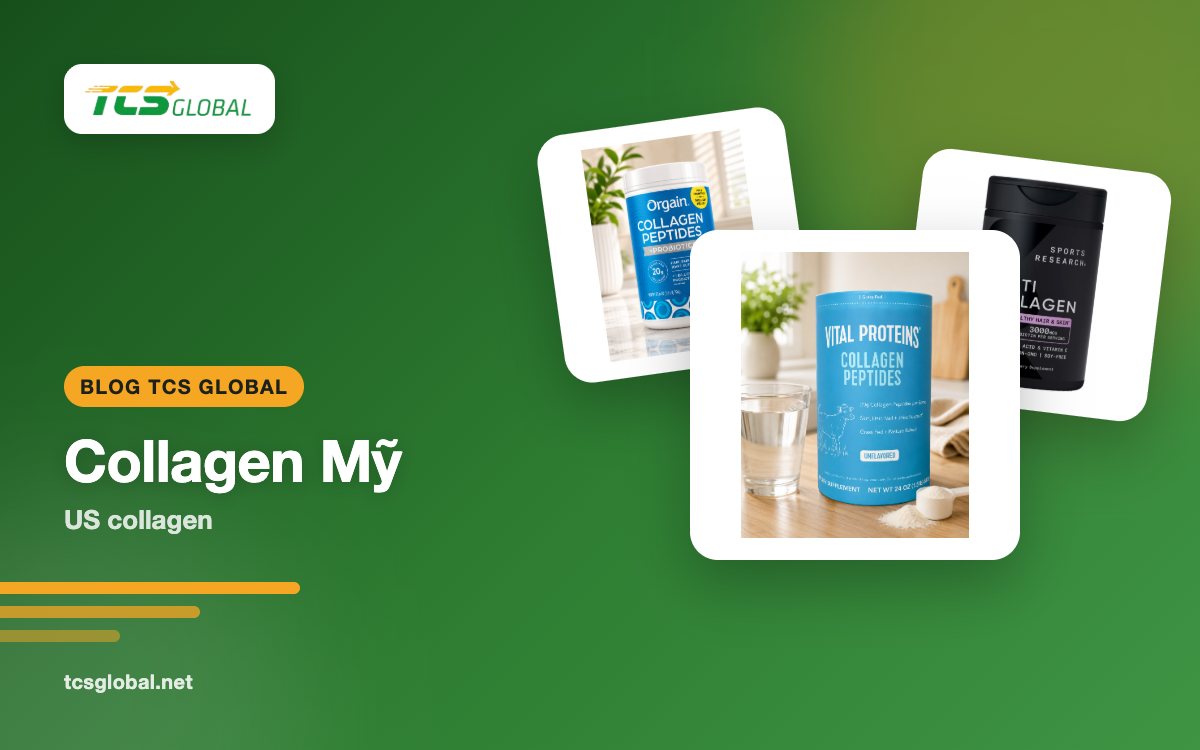
Collagen peptides are another category. Vital Proteins Collagen Peptides lists 20 g collagen peptides per serving from grass-fed, pasture-raised bovine, made without gluten, dairy or soy. Orgain Collagen Peptides + Probiotics lists 20 g grass-fed collagen peptides, 19 g protein, 0 g sugar and 0 g carbs, plus probiotics. Collagen counts as protein on the label, but its amino acid makeup differs from whey or plant protein, so people usually choose it for different reasons. Our US collagen comparison goes deeper.
Shipping big protein tubs to Vietnam
A 4.25 lb whey tub or a 2.7 lb plant tub is bulky. Shipping is priced by weight in pounds and destination province, and oversized items fall outside the standard estimate.
- Keep tubs sealed in their original packaging so the recipient can read the label, ingredients and dates.
- Tape around the lid and bag each tub in case it loosens.
- Put heavy tubs at the bottom, fill gaps, and use leftover space for lighter items.
Read how shipping cost is calculated and our packing guide, or get an estimate on the ship to Vietnam page. Delivery is estimated at 5–10 days to Ho Chi Minh City and 10–14 days elsewhere. Outside California? Create a shipping label online, print it, stick it on the box and send it.
In Vietnam's humidity, close the lid right after each use, keep the scoop dry, and store the tub somewhere cool and dry as the label directs.
Quick pick
- Fine with dairy, want more protein per scoop: whey (Ascent, 25 g per serving).
- Limit dairy, vegetarian, or want organic and fiber: plant protein (Orgain, 21 g per serving).
- Creatine and collagen serve different purposes and don't replace protein powder.
- Have a medical condition or take medication? Ask your doctor first.
Products mentioned in this article (see current prices on each product page):
- Ascent 100% Whey, Native Whey Protein Blend, Chocolate, 4.25 lbs
- Ascent 100% Whey, Native Whey Protein Blend, Vanilla Bean, 4.25 lbs
- Orgain Organic Protein and Superfoods Plant Based Protein Powder, Vanilla Bean, 2.7 lbs
- Orgain Organic Protein and Superfoods Plant Based Protein Powder, Creamy Chocolate Fudge, 2.64 lbs
- Orgain, Micronized Creatine Monohydrate, Unflavored, 1.48lbs
- Vital Proteins Collagen Peptides, Unflavored, 1.5 lbs
- Orgain Collagen Peptides + Probiotics, Unflavored, 1.6 lbs
Frequently asked questions
Can US whey protein replace a meal?
No. Protein powder supplements protein; it is not a complete meal. Use it alongside a varied diet and as the label directs.
Dairy upsets my stomach. Can I use whey?
Whey comes from milk. If dairy bothers you or you have a milk allergy, plant protein is the usual alternative; ask your doctor if you're unsure.
Is creatine a protein?
No. Creatine monohydrate is a separate product marketed for performance support and doesn't replace whey or plant protein.
See current prices for Ascent, Orgain and collagen on the TCS Global store and create a free account to order. Want something from Costco or Amazon we don't carry? Try our US proxy shopping service. Call (714) 379-8787 or message Zalo (949) 979-6888.
This article is for general information only and is not medical advice. Dietary supplements are not intended to diagnose, treat, cure or prevent any disease. Read the label and talk to your doctor or pharmacist before use.